Emergency Monitoring and Response System
The must-have information system for hazardous industrial facilities, ensuring that emergency rescue teams
are ready and coordinated in the event of natural or man-made disaster
About

Natural or man-made disasters can happen without warning and can have devastating consequences. Local authorities and management of the hazardous enterprises should take steps to ensure that they are prepared, such as creating an emergency response plan, gathering emergency supplies, and identifying the risks of incidents.

Emergency Monitoring and Response System (EMRS) ensures that emergency rescue teams are prepared and coordinated in the event of an industrial or natural disaster. With EMRS, the facility can quickly and effectively respond to any emergency situation, minimizing potential damage and ensuring the safety of all personnel.

EMRS is a critical tool that every hazardous industrial facility must have to ensure the safety of its employees and of the surrounding environment.

EMRS operation modes
Steady mode (normal operations)

    The steady mode of an EMRS refers to a state where the system is functioning normally without any emergency situation:

    • Collecting and analyzing information from external sources
    • Maintaining action plan for different types emergency types
    • Preparing regular reports to stakeholders
    • Training planning and implementation

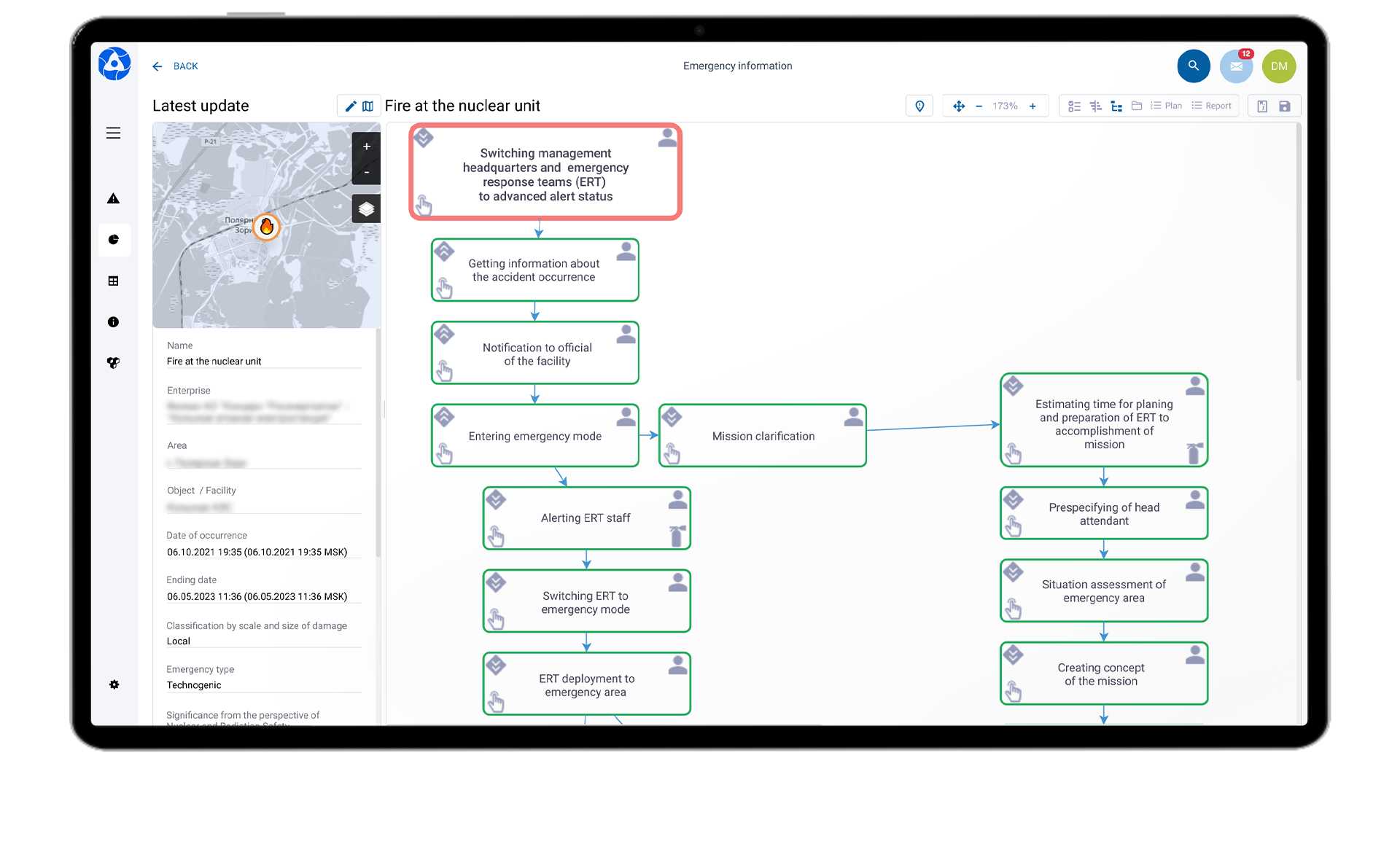
Emergency response mode
    The mode is triggered in the event of an emergency:
    • Obtain all details regarding the incident in a timely manner
    • Notify promptly and thoroughly all stakeholders to ensure effective communication
    • Organize emergency response efforts as quickly as possible
    • Effectively coordinate the work of the emergency response teams

    Emergency Monitoring_2.png
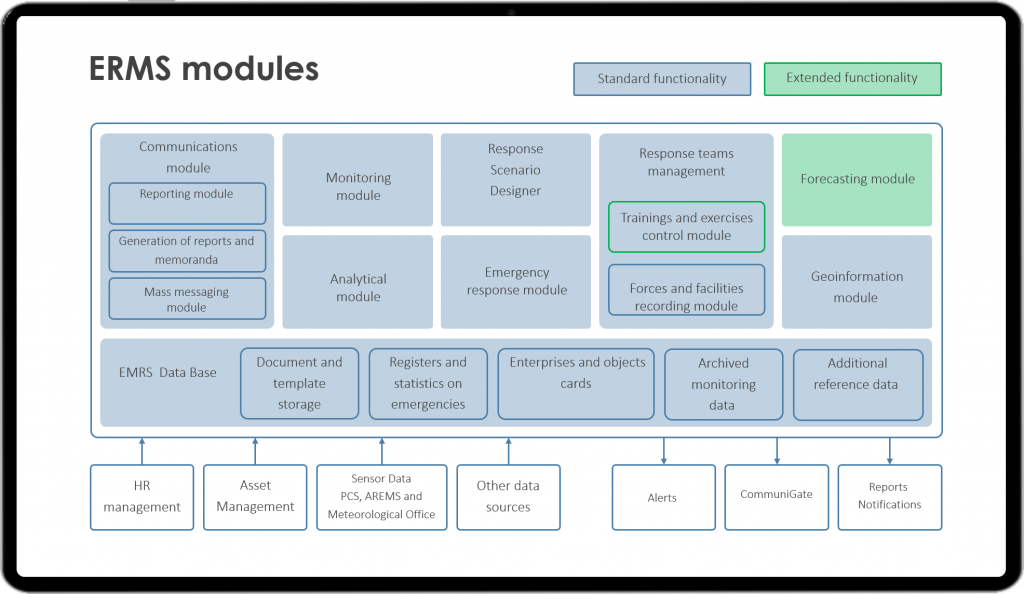
KRIT EMRS Modules
    • Monitoring
    • Communications
    • Response Scenario Designer
    • Response Team Management
    • Trainings planning and implementation
    • Forecasting and etc.
Capabilities
  • Monitoring
    Monitoring of radiation, meteorological, chemical and other indicators
  • Informing
    Informing all stakeholders in case of critical deviation of indicators (government bodies, ministries, management, etc.)
  • Coordinating
    Coordinating emergency response teams in case of accident by executing pre-defined mitigation and liquidation plan
  • Forecasting
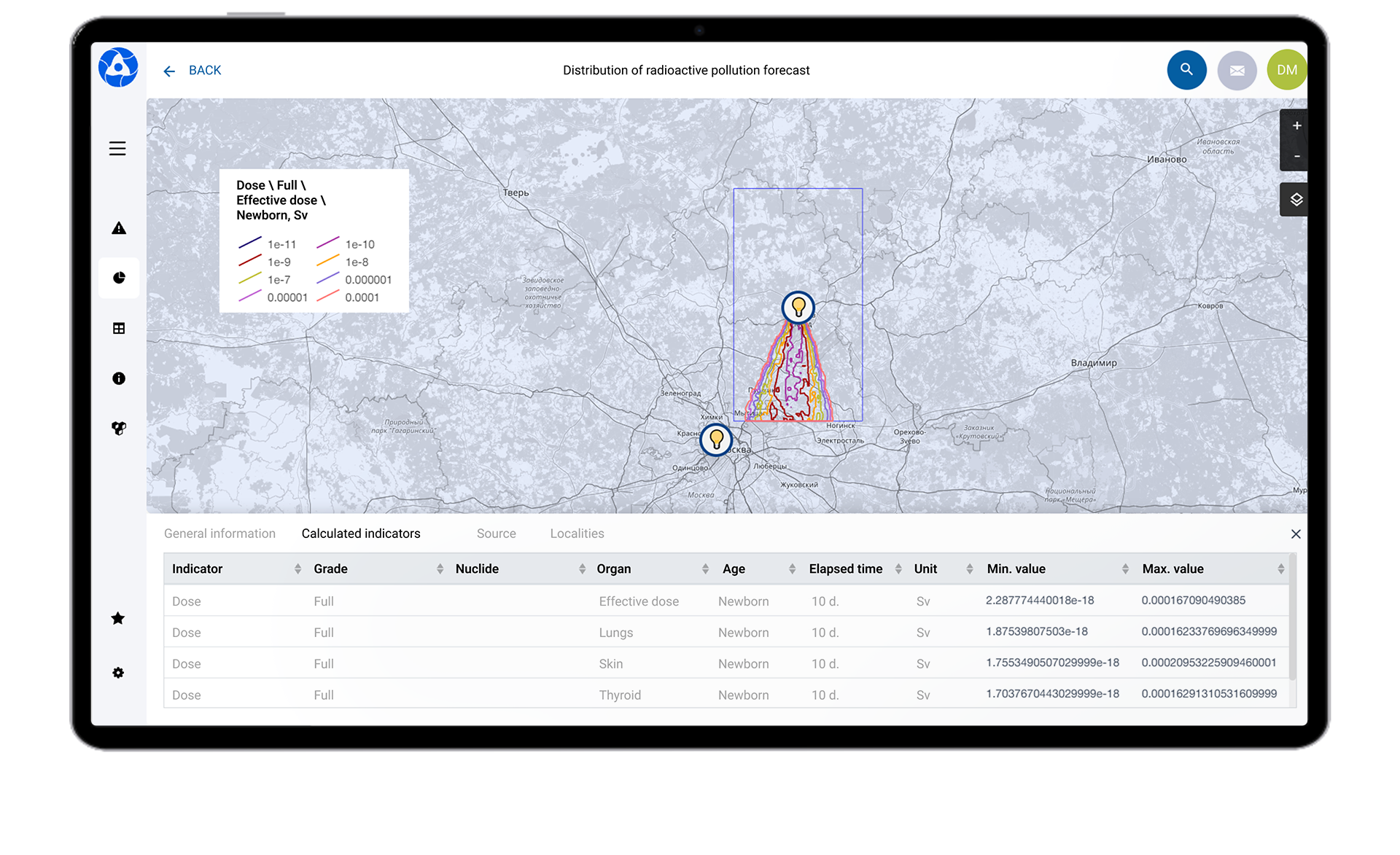
    Forecasting the extent and duration of the hazard using built-in mathematical models
  • Training mode
    Training mode: execute emergency response plan in the simulation mode to provide training for the emergency response teams
Next steps
Presentation
Request a personal ZOOM presentation of our EMRS solution
Questionnaire
Fill the questionnaire after the presentation. It will help us understand your existing processes and IT landscape
Proposal
Upon studying the questionnaire, we will send you a proposal for EMRS
Questions? Get in touch!
Request a demo